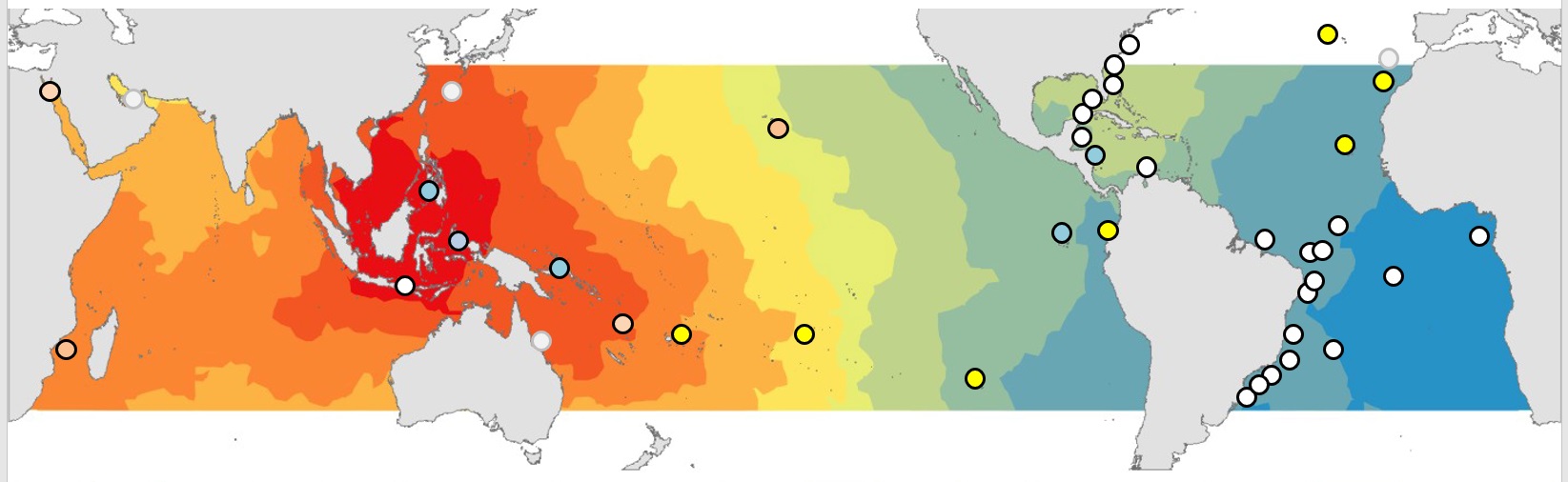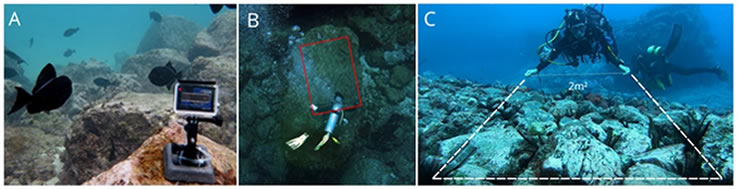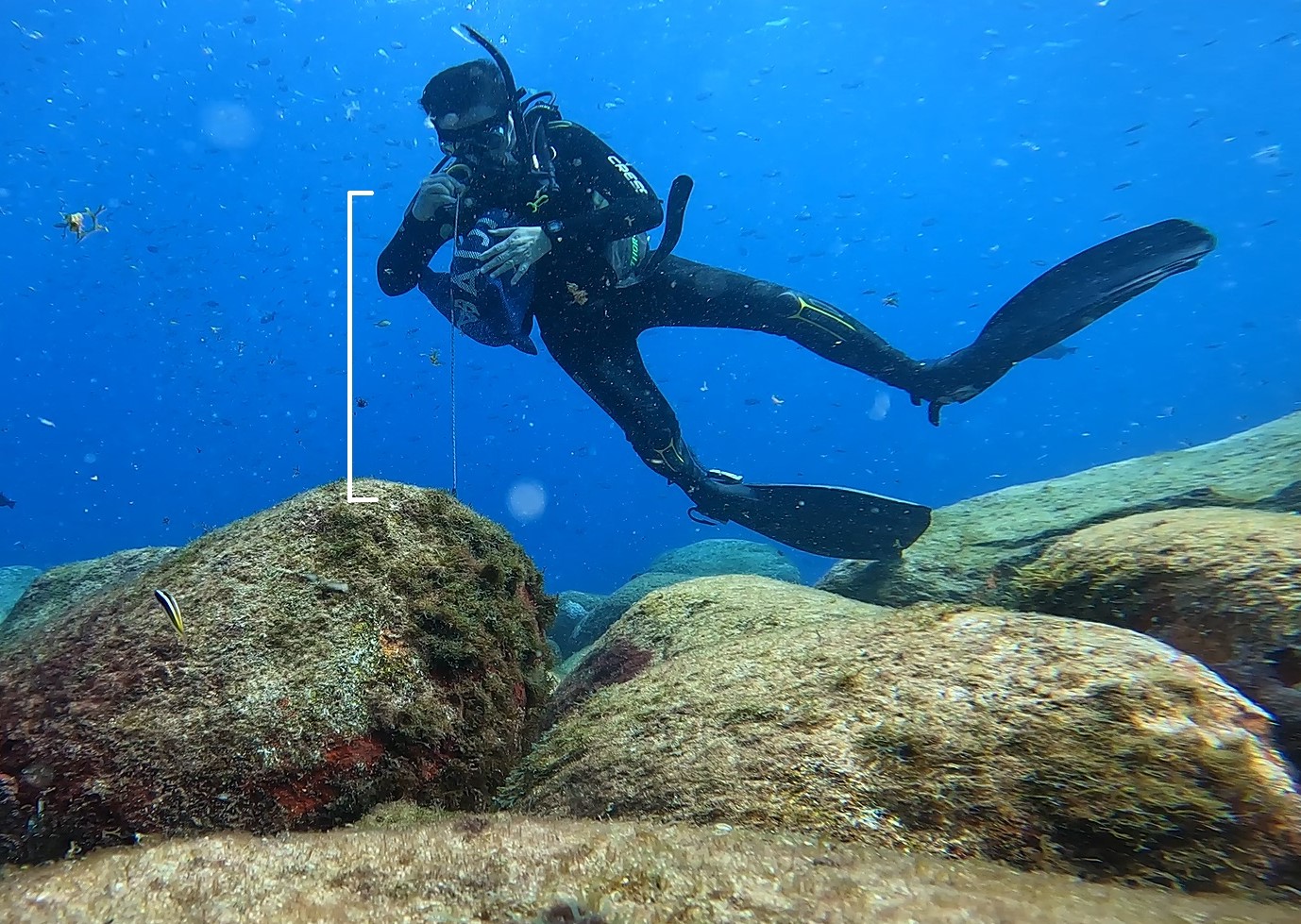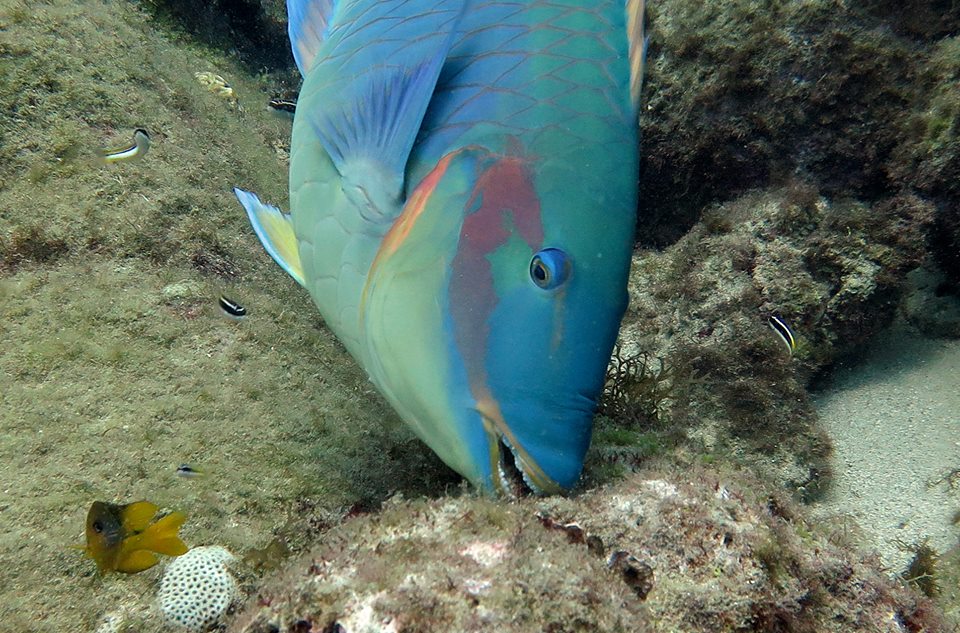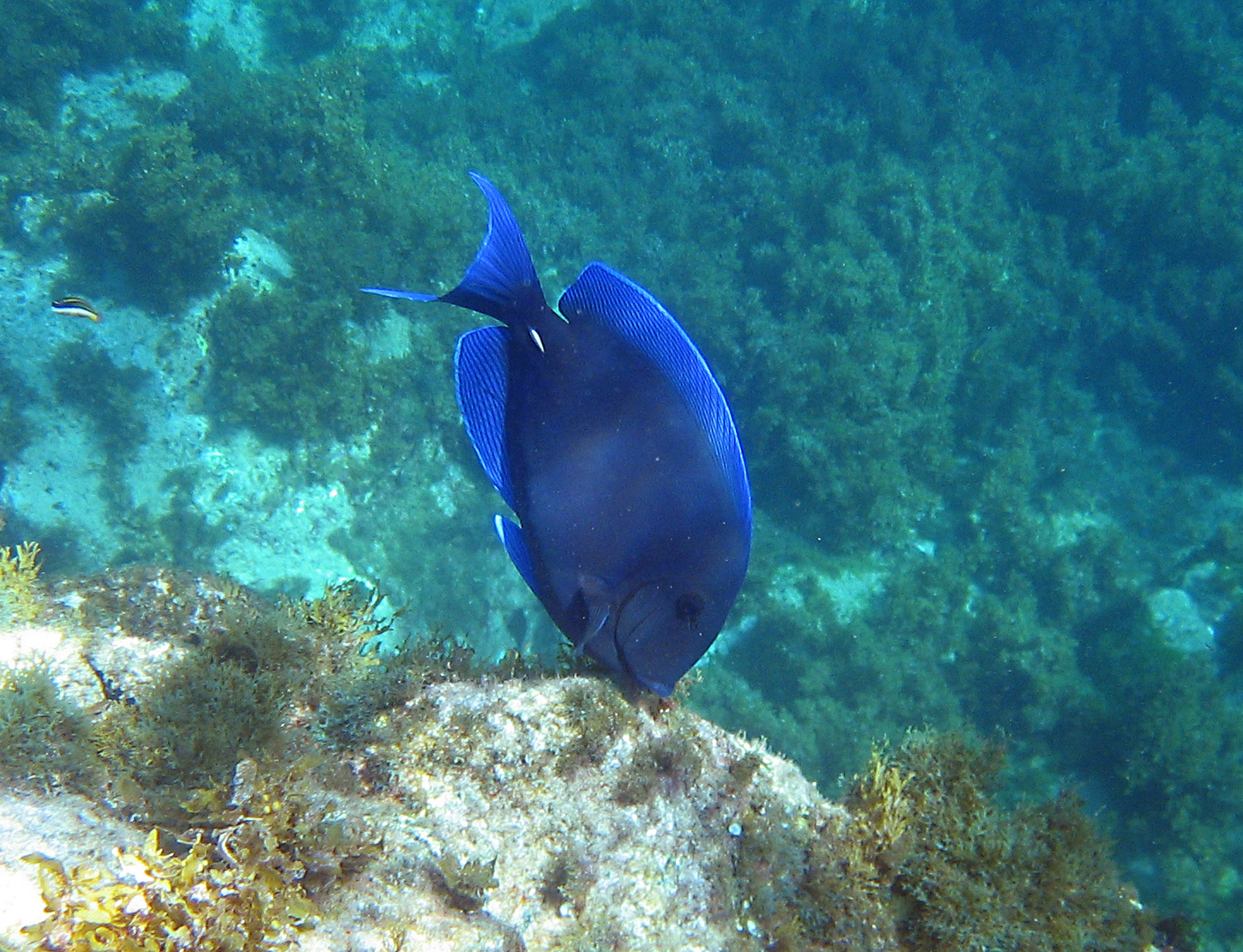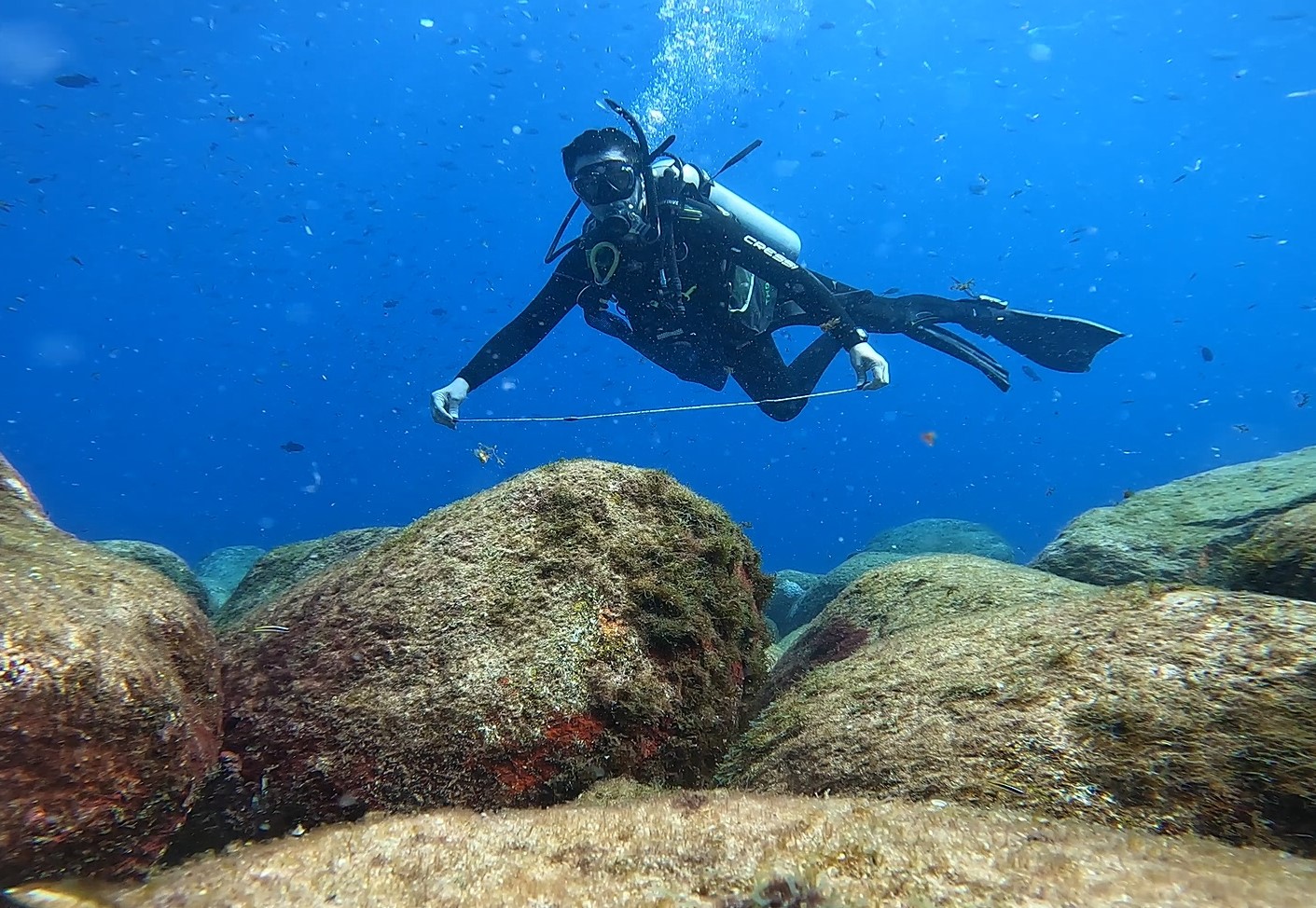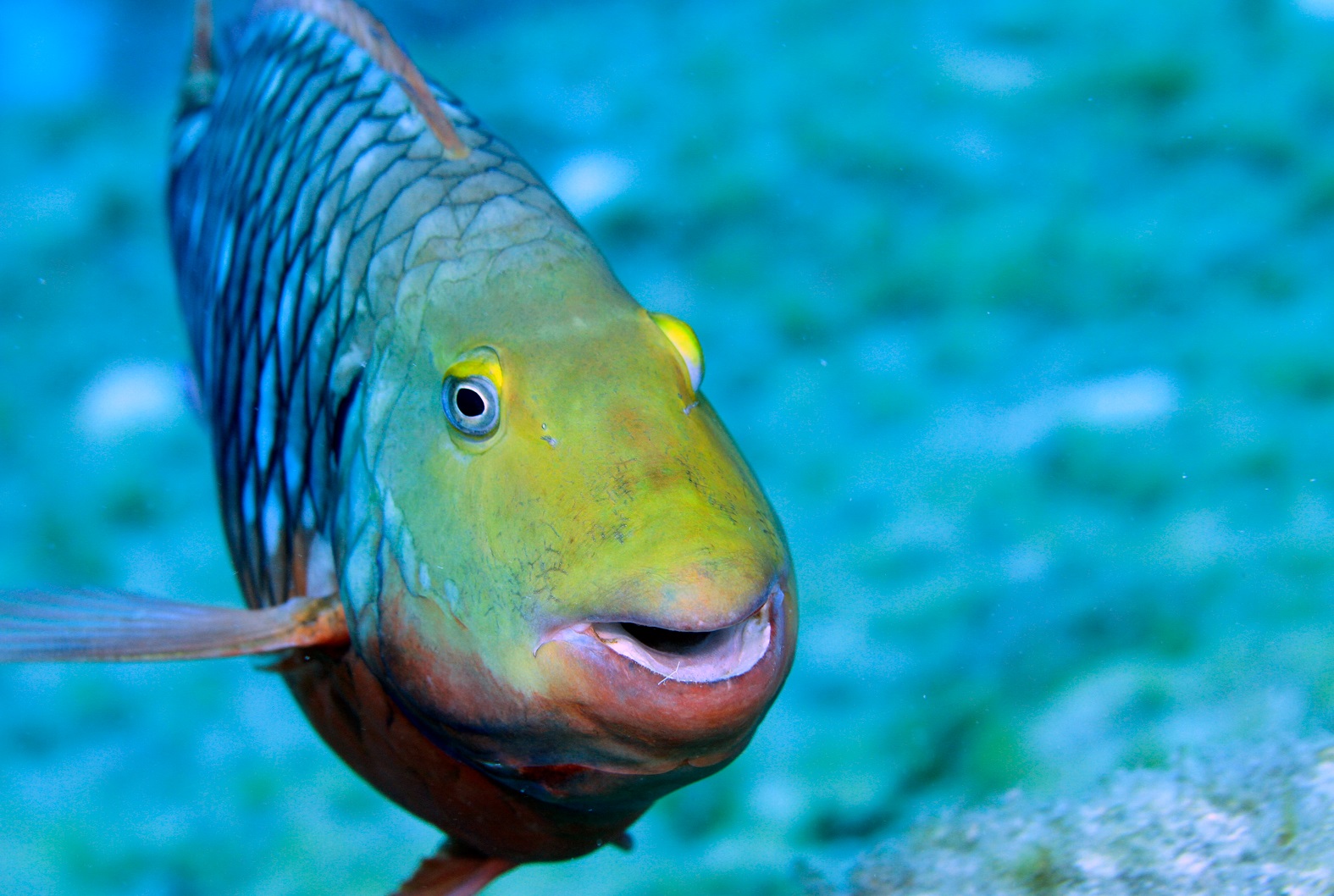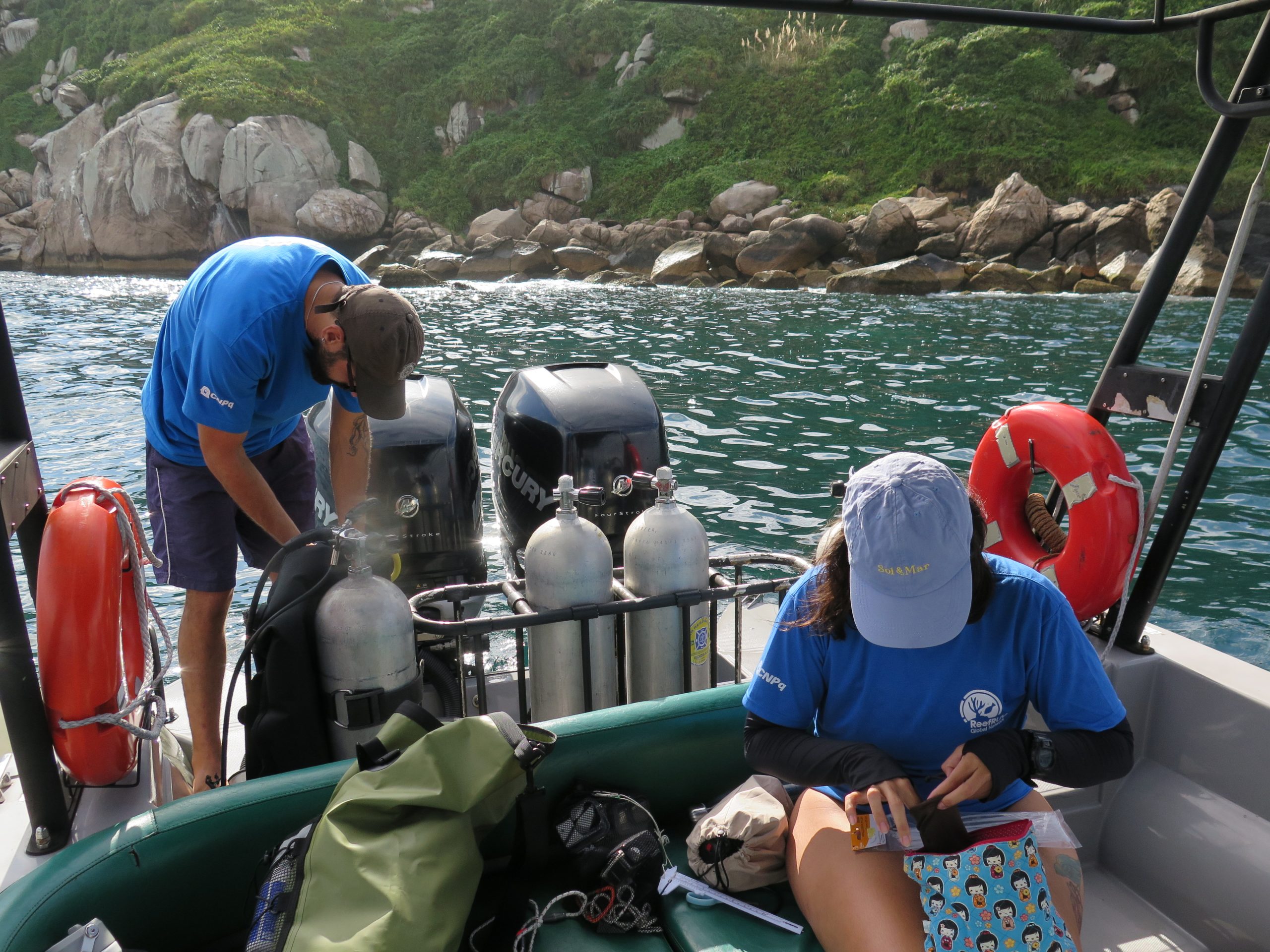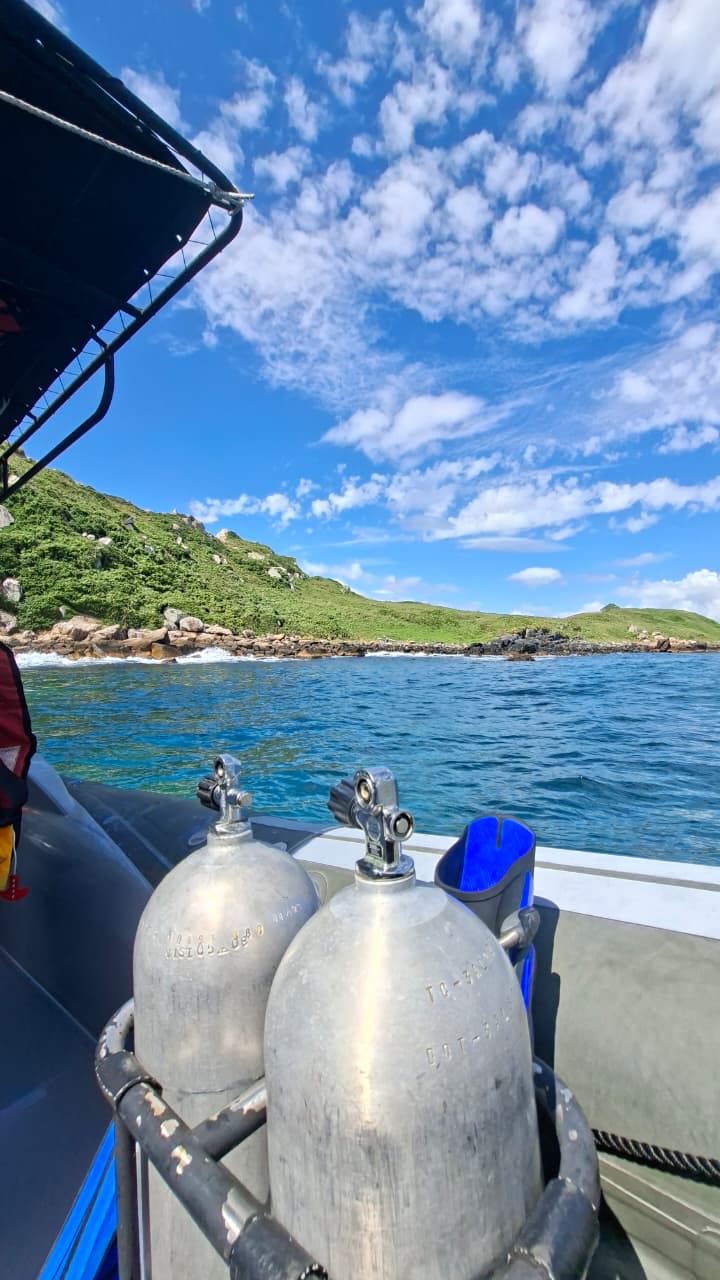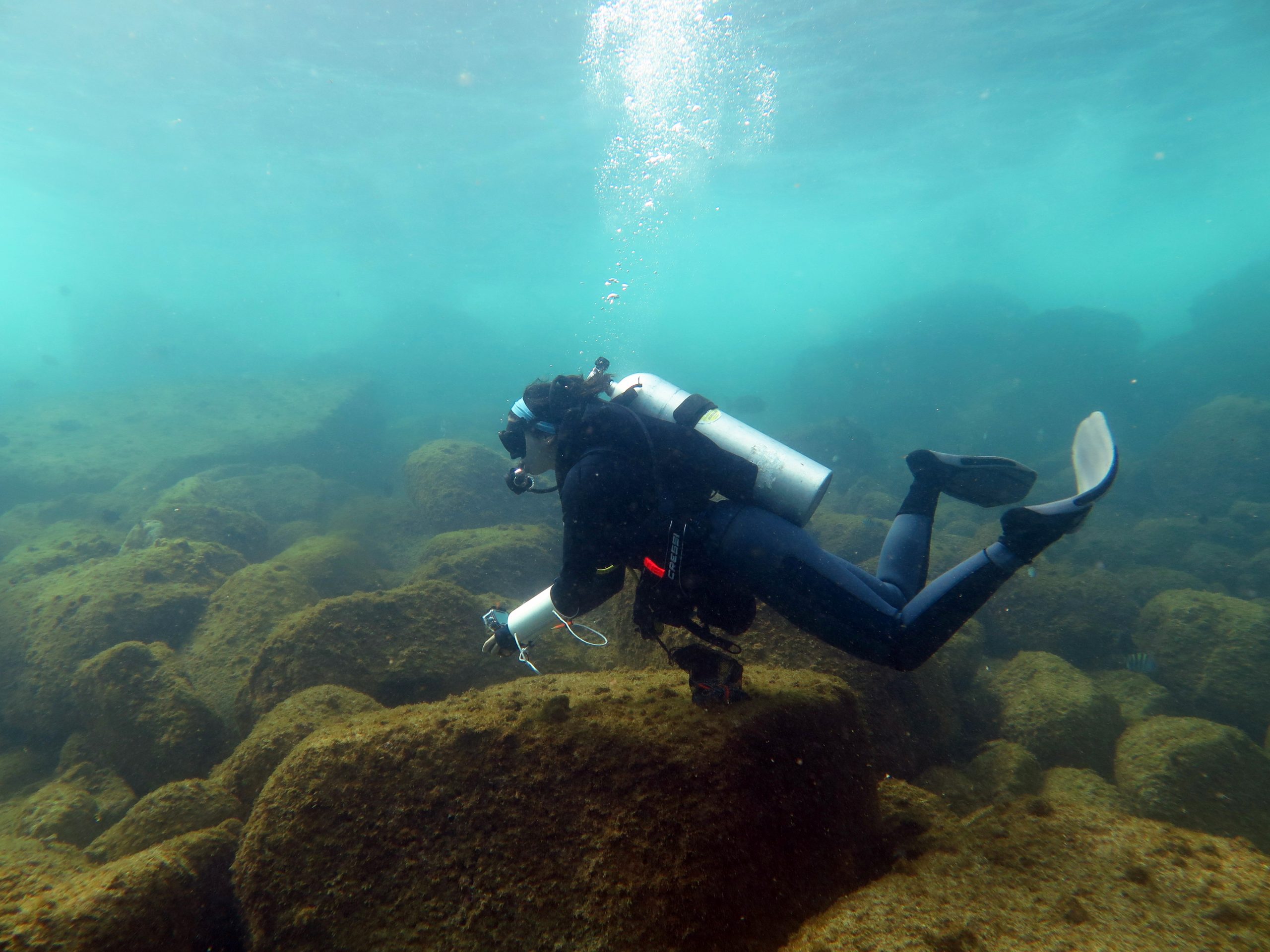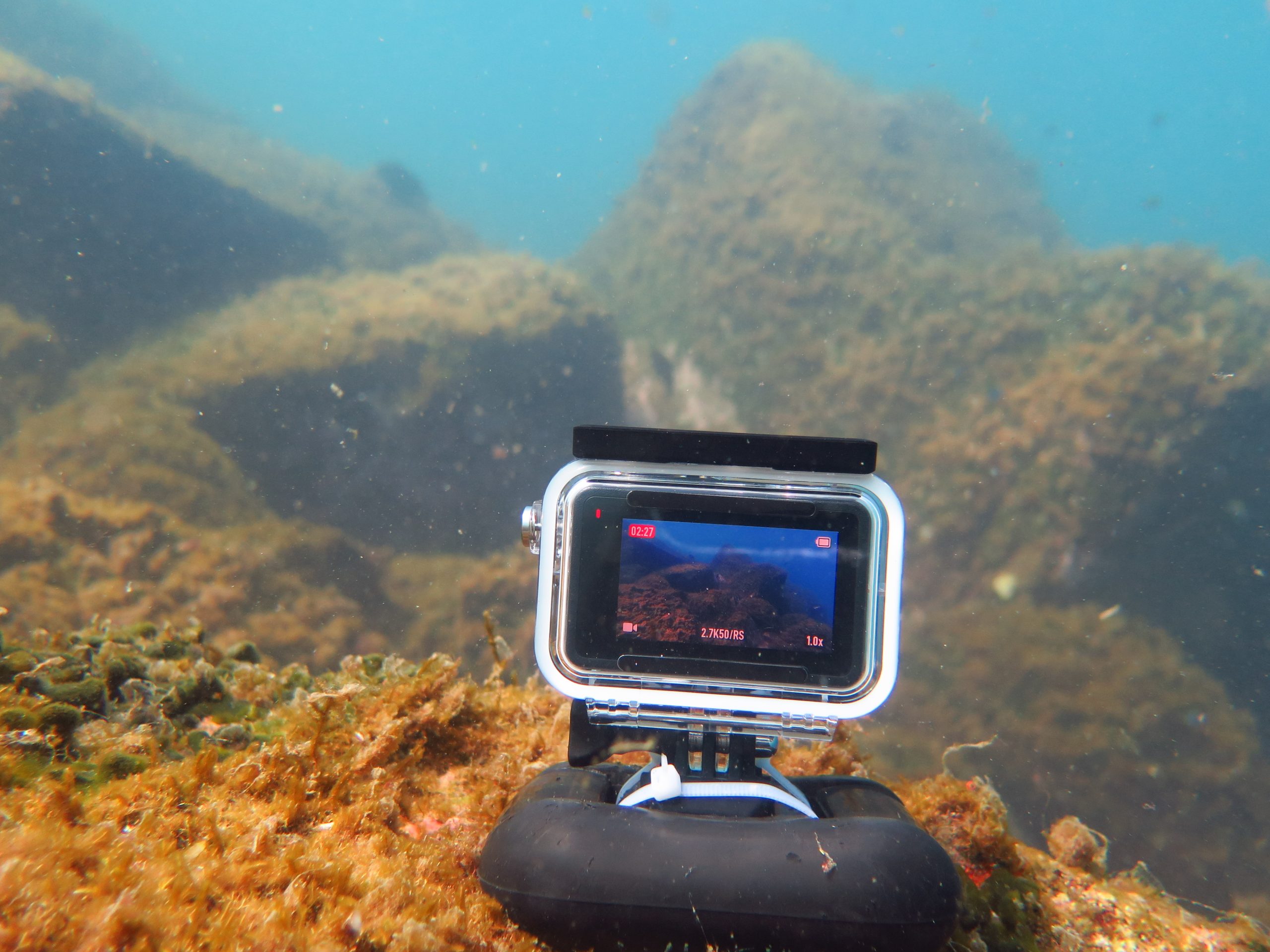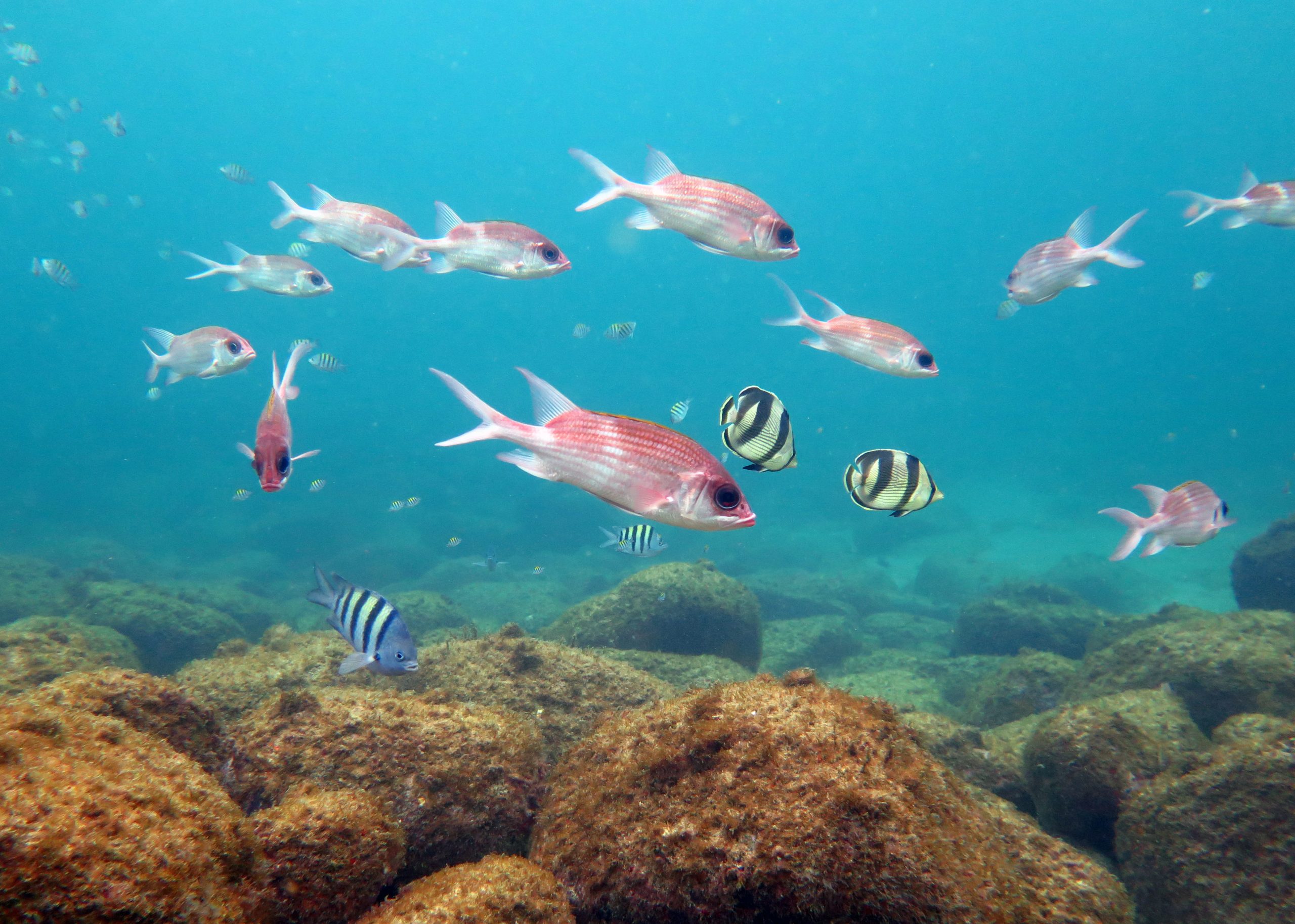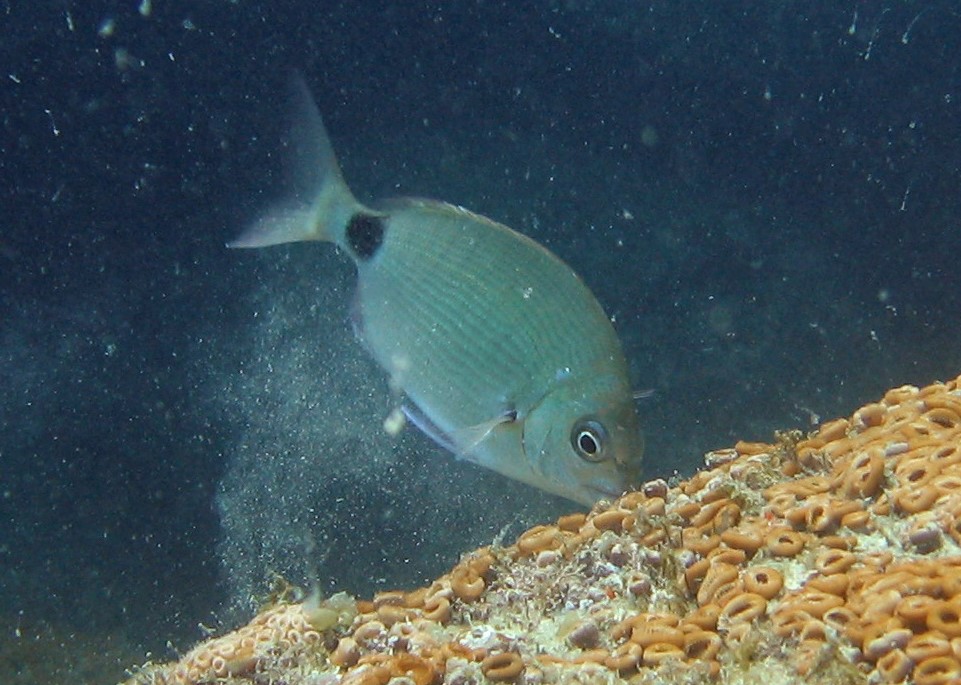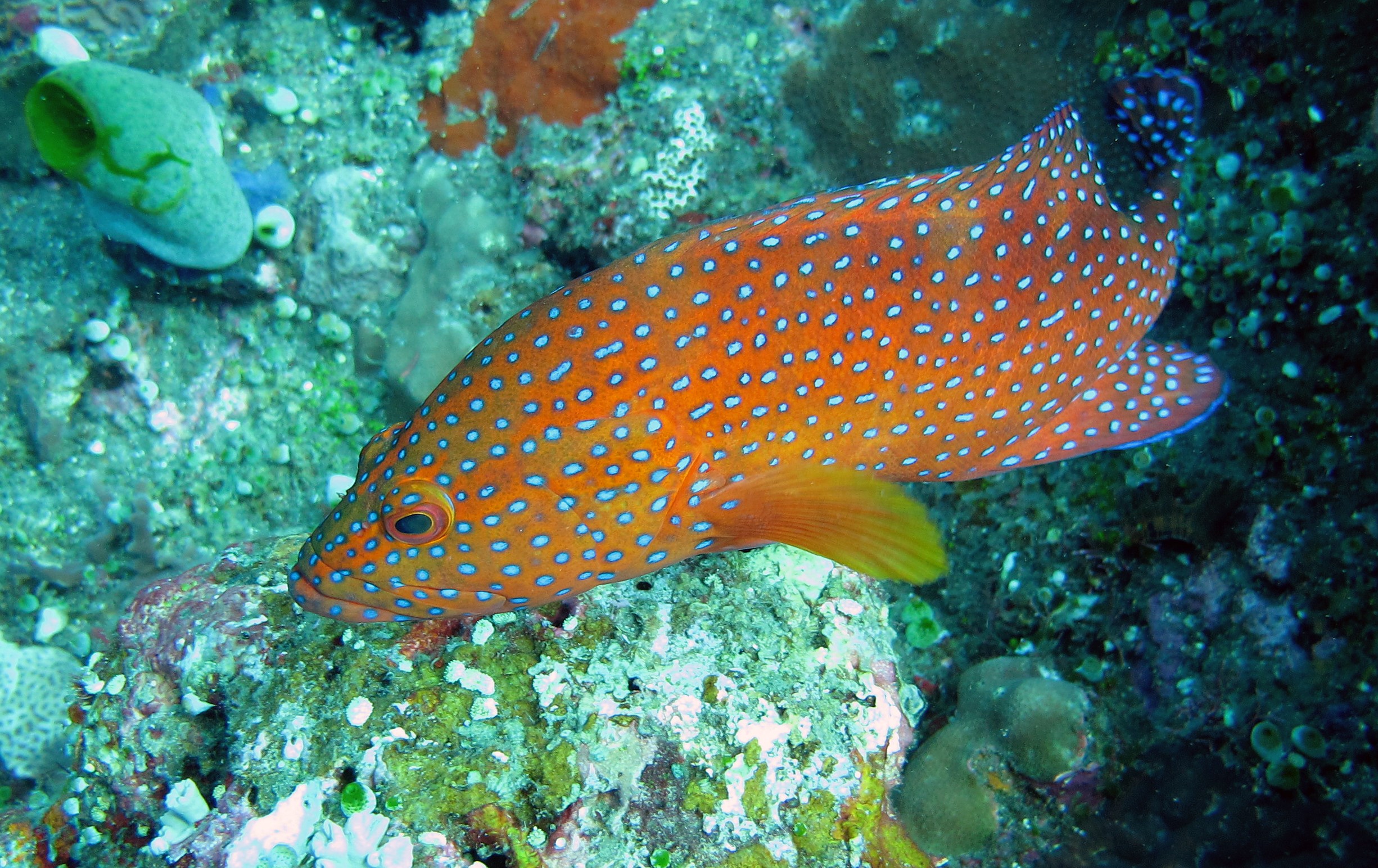
The ReefRUV Global Network uses a relatively simple (and cheap) protocol designed to standardize the sampling procedures of remote underwater videos (RUVs or videoplots) during field data collection and lab analyses. This sampling technique can be applied in various habitats, including coral reefs, rocky reefs, tide pools, freshwater clearwaters, and sandy substrates, as well as in very shallow environments (up to 1 m in depth). From the replicated videos, standardized by time and area, it is possible to extract data on species richness, abundance, biomass, feeding rates, animal consumption, and other behaviors of fish (e.g., cleaning, agonistic interactions, etc.) and other marine organisms.
Our network can tackle macrobehavioral variations across space, time, and taxa. We can study gradients of depth and reef complexity, ranging from local microhabitat scales to latitudinal and temporal global scales. Additionally, we investigate co-occurrence patterns using phylogenetic and functional approaches. Many sites were sampled 10–12 years ago, and new sampling efforts may reveal differences that can be modeled for future scenarios.